
The Green Choice: Why Real Live Sod Beats Artificial Turf in Florida
Artificial turf promises an evergreen look with no mowing — but in Florida's heat, humidity, and storms it creates more problems than it solves. Here's why real sod wins.
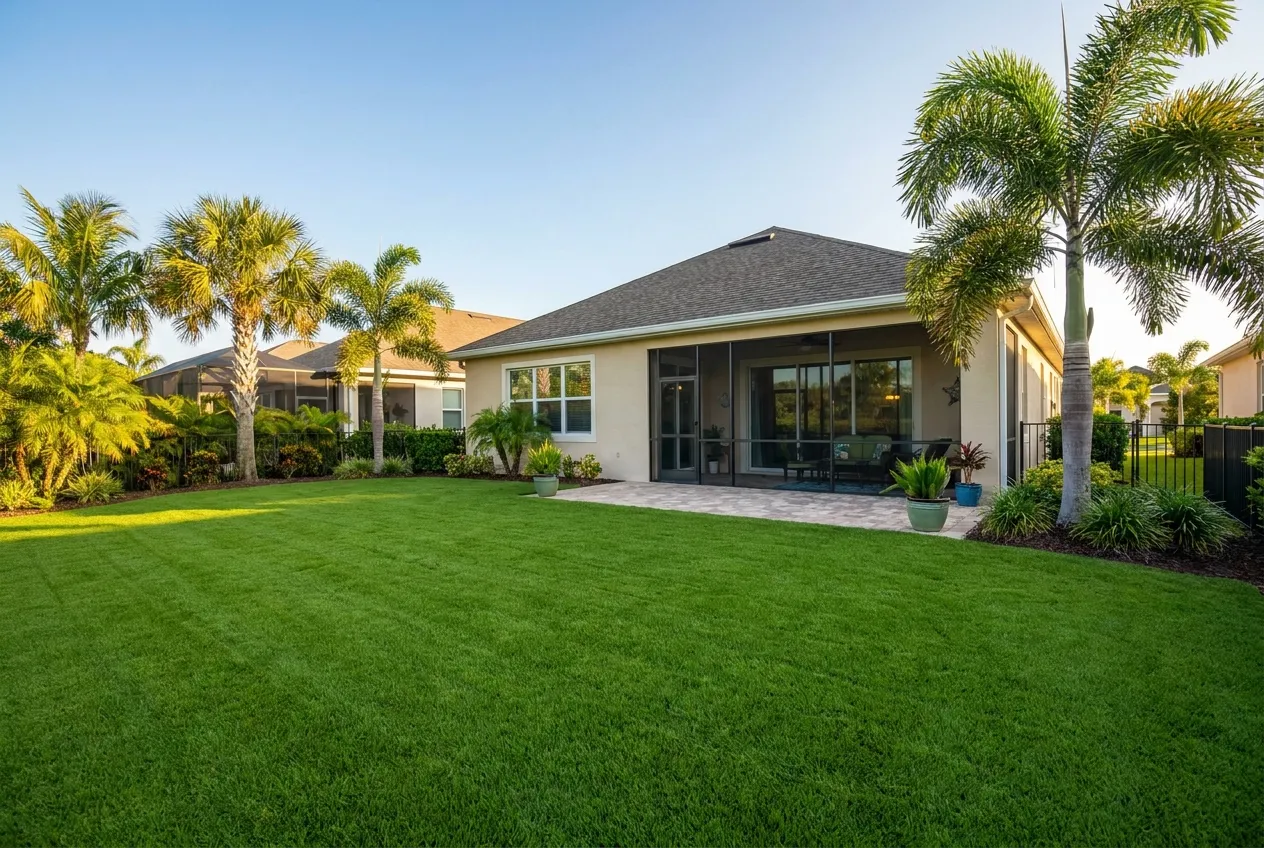
In the sunny state of Florida, where lush lawns are a hallmark of beautiful homes and vibrant communities, homeowners often face a tough decision: go natural with real live sod, or opt for the seemingly low-maintenance appeal of artificial turf? While artificial turf might promise an evergreen look without the hassle of mowing, it comes with a host of drawbacks — especially in Florida’s hot, humid, and storm-prone climate. Real live sod, on the other hand, offers advantages that align perfectly with the environment and lifestyle here.
The advantages of real live sod
Real live sod is essentially pre-grown grass that’s harvested and installed as rolls or squares, giving you an instant, natural lawn that’s far more than just a pretty surface. Unlike its synthetic counterpart, sod is a living ecosystem that brings tangible benefits to your yard, your health, and the planet.
One standout perk is its environmental impact. Natural grass excels at carbon absorption, pulling CO₂ from the air. It also filters out pollutants like pollen and dust before they reach waterways. In Florida’s subtropical heat, sod acts as a natural air conditioner, regulating temperatures and reducing the urban heat-island effect — which can lower the ambient temperature around your home and make outdoor spaces more comfortable through those sweltering summer months.
From a health and safety perspective, real sod is a winner. It avoids the chemicals often found in artificial turf, creating a safer play area for kids and pets. The soft, cushioned surface reduces injury risk during play, and its root system enhances fire resistance. Sod also supports local biodiversity, providing habitat for beneficial insects, birds, and microorganisms.
Functionally, sod shines in stormwater management. Its deep roots absorb rainwater, reducing runoff and erosion — essential in Florida, where heavy rains and hurricanes are commonplace. And while it does require some watering and occasional fertilizing, modern sod varieties are bred for drought tolerance and low upkeep, making them cost-effective over time. Aesthetically, nothing beats the authentic look and feel of real grass.
The inherent problems with artificial turf in Florida
Artificial turf might seem convenient, but in Florida’s climate it often creates more issues than it solves.
Heat retention is perhaps the most glaring problem. In Florida’s intense sun, artificial turf surfaces can soar to temperatures as high as 174°F on hot days — unsafe for barefoot use or pets. Unlike natural grass, which cools through evapotranspiration, synthetic turf absorbs and radiates heat, turning your yard into a mini oven during summer.
Drainage woes are another concern amid Florida’s frequent downpours. While some turfs have drainage holes, they often fall short during intense storms, leading to pooling water and increased flooding risk. Humidity can also promote mold and mildew beneath the turf.
Environmentally, artificial turf is non-biodegradable and degrades into microplastics that contaminate soil and waterways. Many products contain chemicals like PFAS, heavy metals, and phthalates, which can leach into the environment. It also absorbs more radiation than natural grass.
Maintenance isn’t as hands-off as advertised, either. Turf needs regular rinsing to remove debris and pet waste, and infill materials shift or compact over time. The high upfront cost is a barrier — and without the ecological functions of a living lawn, it doesn’t deliver the same long-term value.
Go natural for a thriving Florida lawn
When it comes down to it, real live sod offers a blend of beauty, functionality, and sustainability that’s tailor-made for Florida’s climate. It cools your space, supports the environment, and gives you a safe, natural yard without the hidden risks of synthetic alternatives. If you’re considering a lawn upgrade, choose Florida-adapted varieties like St. Augustine or Zoysia — and let’s keep Florida green the natural way.

Fresh-cut sod installation, replacement, and delivery in the Tampa Bay area.
Hook this up to your favourite commenting platform — Giscus, Disqus, or your own.
Continue reading
Why We Choose Sand-Bottom Sod Over Muck-Bottom Sod
Most Central Florida yards are sandy — and the soil your sod is grown on matters more than you'd think. Here's why sand-bottom sod roots faster, drains better, and lasts longer.
Florida's Rainy Season Is Coming: Protect Your Shady St. Augustine
Too much rain in shady spots is a recipe for lawn fungus. Here are five ways to keep St. Augustine sod healthy and disease-free through Florida's wet season.
The Evolution of Roundup: What ProVista St. Augustine Owners Should Know
Roundup has removed glyphosate from its lawn-care products — and the replacement chemistry can damage or kill ProVista St. Augustine. Here's how to protect your lawn.